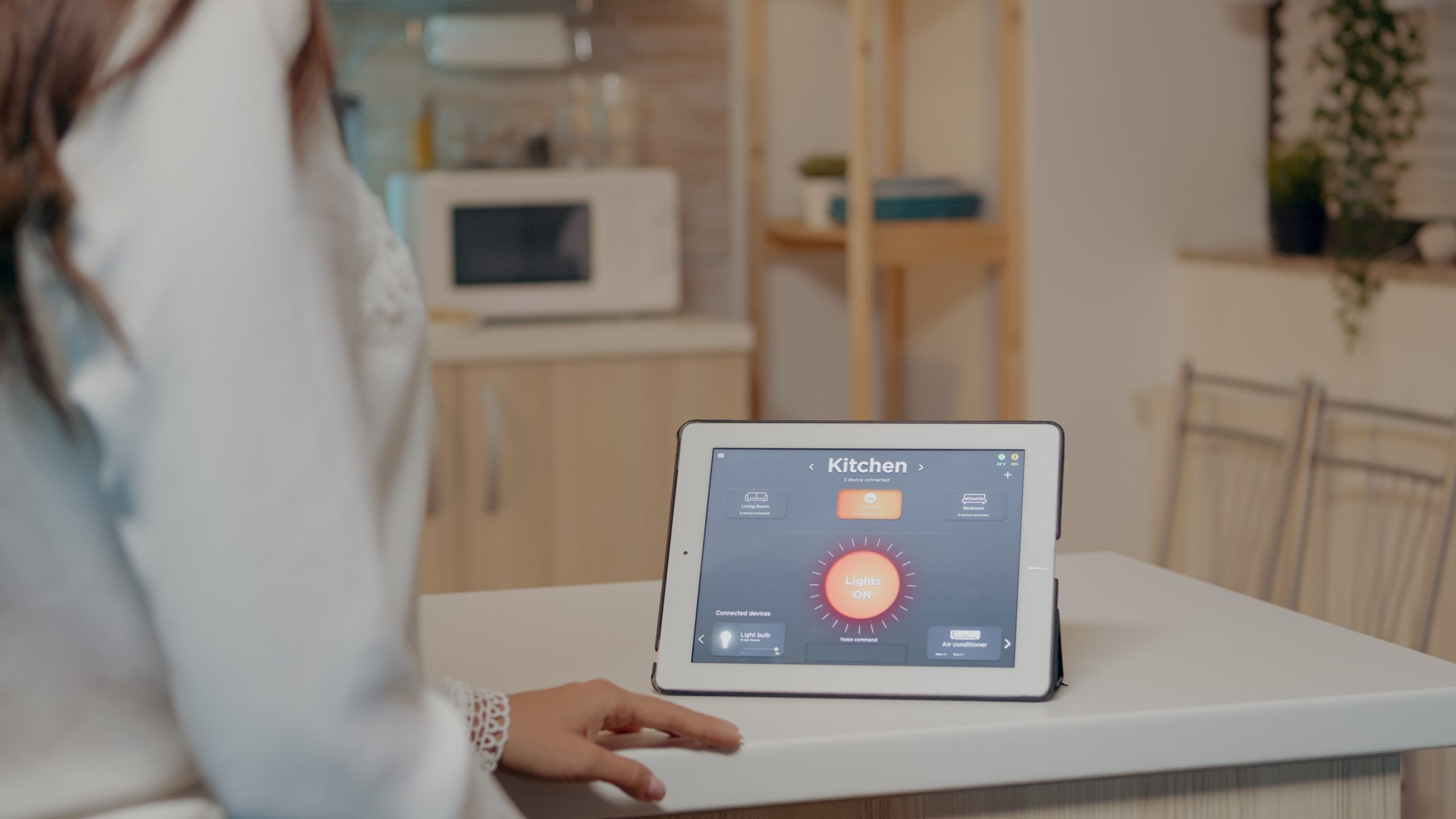
Heating your home efficiently is one of the most important factors for comfort, energy savings, and sustainability. In 2026, Every homeowners have more advanced options than ever, thanks to smart heating controls. These systems allow precise management of your home’s heating through innovative technology, making daily life easier, reducing energy bills, and contributing to a greener future.
This guide explores five key benefits of smart heating controls, explains how they integrate with modern central heating systems, underfloor heating, and smartphone applications, and helps you understand why upgrading your home in 2026 makes sense.
1. Enhanced Energy Efficiency and Cost Savings
One of the most significant advantages of smart heating controls is energy efficiency. Traditional heating systems often operate on fixed schedules or respond to manual adjustments, which can lead to unnecessary heating and wasted energy. Smart controls, however, allow your heating system to operate intelligently, adjusting to your daily routines, occupancy patterns, and even weather forecasts.
For example, modern systems can reduce heating when rooms are unoccupied, lower temperatures during the night, or increase warmth just before you return home. This precision prevents wasted energy and reduces monthly heating bills. In fact, studies suggest homeowners can save up to 25% on heating costs by using smart thermostats combined with central heating controls.
Smart controls can also integrate with underfloor heating controls, ensuring that this energy-intensive system only heats areas that need warmth. By avoiding unnecessary use, homeowners enjoy both comfort and financial savings.
2. Remote Access and Convenience
Smart heating controls give homeowners the convenience of controlling their system from virtually anywhere. Through smartphone apps, tablets, or even voice assistants, you can adjust the temperature, set schedules, or switch zones on and off remotely.
This feature is especially useful for:
- Adjusting heating while at work or on holiday.
- Preheating the home before arrival, ensuring comfort upon entry.
- Turning off heating in case you forget to switch it off when leaving the house.
Smartphone heating control is particularly valuable in homes where weather conditions can change rapidly. Whether it’s a sudden cold snap or an unseasonably warm day, you can adjust your heating in real-time, avoiding energy wastage while keeping your home comfortable.
3. Improved Comfort Through Zoning and Personalisation
Smart heating systems often allow zoning, which means different areas of your home can be heated to different temperatures according to their use and occupancy. For instance, living areas may require higher temperatures during the day, while bedrooms may be cooler at night.
This level of personalisation ensures that every part of the home maintains optimal comfort without wasting energy. Integrating smart controls with central heating controls or underfloor heating controls means that each zone responds accurately to your settings.
Additionally, some smart systems learn your habits over time. They can automatically adjust heating schedules based on your daily routine, creating a truly personalised environment. The result is a home that is consistently comfortable, without the need for constant manual adjustments.
4. Integration with Renewable and Green Energy Solutions
In 2026, many homes are increasingly adopting renewable energy solutions such as solar panels or heat pumps. Smart heating controls can integrate seamlessly with these systems, helping homeowners maximise efficiency and reduce carbon footprint.
For example, if your home generates excess solar energy during the day, a smart system can use this surplus to heat your water or underfloor heating system. Similarly, heat pumps work most efficiently when their operation is optimised by smart scheduling.
By using energy more intelligently, smart heating controls not only save money but also contribute to sustainability. For environmentally-conscious homeowners, this integration makes smart controls a compelling investment.
5. Enhanced Monitoring and Maintenance Alerts
Smart heating controls often provide detailed insights and alerts regarding your heating system. You can monitor energy usage, detect inefficiencies, and receive notifications if there is a potential issue, such as a drop in pressure or unusual temperature patterns.
These features allow early detection of faults before they escalate into costly repairs. For instance, some systems can alert you to a malfunctioning zone valve or indicate that a component in your underfloor heating system needs attention.
By proactively monitoring your system, you can ensure optimal performance and extend the lifespan of your boiler or heat pump. In addition, this data can help professional engineers during service visits, making diagnostics quicker and more accurate.
Comparison of Traditional vs Smart Heating Controls
Traditional Heating
Fixed schedules, which can lead to energy wastage
No remote access
One set temperature for the entire house
Limited integration with other systems
Maintenance checks are done manually
Smart Heating Controls
Learns usage patterns and optimises energy consumption
Can be controlled remotely via smartphone, tablet, or voice assistant
Allows zoning and personalised temperature schedules
Integrates with heat pumps, solar systems, and underfloor heating
Provides real-time monitoring and maintenance notifications
This is highlights why smart controls are increasingly preferred in modern homes.
Installation Considerations
Upgrading to smart heating controls requires professional installation, particularly if integrating with central heating systems, underfloor heating, or renewable energy solutions. Qualified engineers ensure compatibility, correct wiring, and that safety standards are met.
Some systems are simple to retrofit, allowing homeowners to replace existing thermostats without changing the boiler. Others, especially those integrating multiple zones or renewable energy, require more complex configuration. Consulting a trusted service such as EPG247 ensures that your smart heating system is installed safely and optimally.
Additional Benefits for 2026 Homeowners
Beyond the main five benefits, smart heating controls offer:
- Data-driven insights: Understand your energy usage trends over weeks or months.
- Remote troubleshooting: Some systems allow engineers to access diagnostics remotely.
- Voice control integration: Compatible with Amazon Alexa, Google Assistant, or other smart home platforms.
- Automation with other smart devices: Synchronise heating with window sensors, occupancy detectors, or smart blinds.
These features enhance convenience, comfort, and efficiency, making the home environment truly responsive to your needs.
Choosing the Right Smart Heating Controls
When selecting a smart system, consider:
- Compatibility with your existing boiler or heat pump.
- Whether you need zoning or underfloor heating integration.
- App usability and remote control options.
- Energy monitoring features and alerts.
- Professional installation support and warranty coverage.
Selecting the right system ensures long-term satisfaction and prevents unnecessary costs or inefficiencies.
Conclusion
Smart heating controls offer significant advantages for every homeowners in 2026. They provide energy efficiency, cost savings, convenience, personalised comfort, integration with renewable energy, and enhanced monitoring. Whether you’re upgrading a traditional system, adding underfloor heating controls, or looking for remote smartphone control, smart systems make your home more responsive, comfortable, and efficient.
For a modern, reliable solution and professional installation, services such as EPG247 can guide homeowners through selecting and implementing the right smart heating controls for their property. Investing in these systems not only saves money but also contributes to a sustainable, energy-efficient future.

FAQs About Smart Heating Controls
What are smart heating controls?
Smart heating controls are technology-enabled systems that allow homeowners to manage and monitor their heating remotely, set personalised schedules, and optimise energy efficiency.
Can smart heating controls work with underfloor heating?
Yes, many smart systems integrate seamlessly with underfloor heating controls, allowing precise temperature management for different zones.
Are smart heating controls compatible with all boilers?
Most modern boilers are compatible, but it’s important to check with the manufacturer or a professional installer. Some older systems may require additional modules.
Can I control my heating from my smartphone?
Absolutely. Smartphone heating control is one of the primary benefits, allowing you to adjust temperatures remotely via apps.
How much can I save on energy bills with smart controls?
Savings vary depending on household habits and system efficiency, but studies suggest up to 25% reduction in heating costs is achievable.
Do smart heating controls provide maintenance alerts?
Yes. Many systems notify homeowners of potential issues, unusual energy consumption, or system faults, enabling preventative maintenance.
Is professional installation necessary?
For most smart heating systems, especially those with zoning, underfloor heating, or renewable energy integration, professional installation is recommended to ensure safety and optimal performance.
Can smart heating controls improve home comfort?
Definitely. With zoning, personalised schedules, and real-time adjustments, every area of your home can maintain optimal comfort.