Plumbing problems are some of the most stressful issues a homeowner can face. From leaking taps to blocked pipes, small issues can quickly escalate if not addressed promptly. While some plumbing jobs require a professional, having the essential plumbing tools at home can help you fix minor issues, perform basic maintenance, and even prevent costly repairs. Knowing which tools are essential will save time, money, and frustration.
This guide covers the must-have plumbing tools for homeowners, explains their uses, and offers advice on choosing the best equipment for your needs in 2026. Whether you’re dealing with routine maintenance, small leaks, or planning DIY upgrades, understanding your toolkit is the first step to being prepared.
Need professional advice or high-quality tools? Check out EPG247 for expert tips and equipment recommendations!
Why Every Homeowner Needs Plumbing Tools
Even minor plumbing issues can become disruptive if you don’t act quickly. A dripping tap or a slow-draining sink might seem harmless at first, but over time, they can cause water wastage, higher bills, or damage to your property.
Having right tools on hand allows you to:
- Perform quick repairs before they worsen.
- Conduct regular maintenance to extend the life of your plumbing.
- Identify issues that may require a professional before they become emergencies.
While not all tasks can be DIY, a well-equipped home means you can tackle small problems efficiently and confidently. Additionally, knowing how to use basic plumbing tools gives you insight into how your home’s plumbing system works, which is useful when liaising with professionals.
Wrenches and Pliers: The Foundation of Plumbing
A solid set of wrenches and pliers is essential for almost any plumbing job. These tools allow you to grip, twist, and tighten pipes, fittings, and nuts.
- Adjustable Wrench: Ideal for loosening and tightening various sizes of nuts and bolts. Its versatility makes it a must-have.
- Basin Wrench: Specifically designed for tightening taps and fittings in tight spaces like under sinks.
- Channel-Lock Pliers: Adjustable and sturdy, perfect for gripping irregular shapes and holding pipes in place.
These tools form the backbone of your plumbing toolkit. Even simple tasks like changing a tap washer or tightening a pipe joint become much easier with the right pliers or wrench.
Pipe Cutters and Tubing Tools
Cutting and shaping pipes accurately is critical for effective plumbing. Mistakes can lead to leaks, poor water flow, or damage to fittings.
- Pipe Cutter: A pipe cutter provides a clean, straight cut without damaging the pipe, suitable for copper, PVC, or PEX pipes.
- Hacksaw: A versatile alternative for cutting pipes if a pipe cutter isn’t available, though less precise.
- Deburring Tool: After cutting pipes, a deburring tool removes sharp edges, ensuring a smooth fit with fittings.
For homeowners working with modern plumbing systems, having a crimp tool for plumbing or a plumbing press tool is increasingly important. These tools are designed for use with PEX and copper piping systems, providing strong, leak-proof joints without traditional soldering. They make DIY plumbing safer, faster, and more reliable.
Sealing and Joining Tools
No plumbing job is complete without tools to seal and join pipes effectively. Water-tight connections are crucial to prevent leaks and water damage.
- PTFE Tape (Thread Seal Tape): Used to wrap pipe threads, ensuring a tight seal on threaded connections.
- Pipe Fittings and Connectors: These come in various materials such as copper, brass, and plastic.
- Plumber’s Putty: Ideal for sealing drains, sinks, and certain fixtures.
For modern homes, plumbing crimping tools and plumbing press tools are especially useful when joining PEX or copper pipes. They offer a secure connection that is both quick and long-lasting, reducing the risk of leaks in your plumbing system.
Drain Cleaning and Maintenance Tools
Clogged drains are one of the most common plumbing issues. Having a few basic tools to clear blockages can prevent expensive professional calls.
- Plunger: Simple but effective for sinks, toilets, and baths.
- Drain Snake or Auger: Useful for clearing deeper clogs in pipes.
- Pipe Brush: Helps remove sediment and debris from inside pipes.
Regular use of these tools helps maintain proper flow and prevents the build-up of grime that can lead to leaks or corrosion over time.
Measuring and Testing Tools
Accurate measurement and testing are essential for safe plumbing work. Ensuring correct pipe length, water pressure, and tightness of fittings prevents mistakes that can cause leaks.
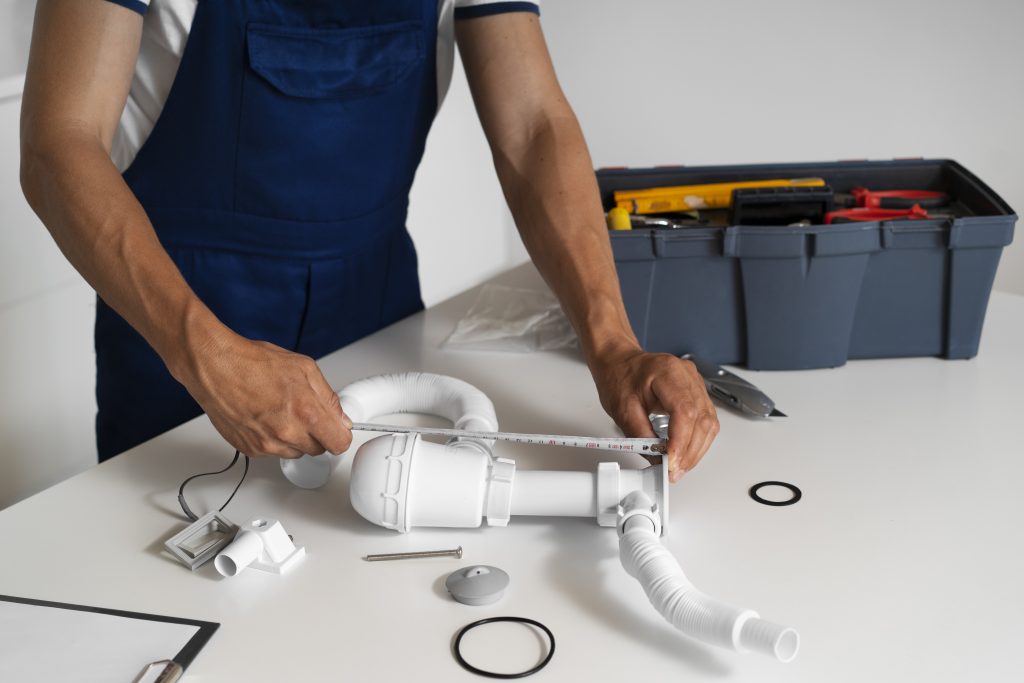
- Tape Measure: For precise measurement of pipes, fittings, and space allocation.
- Spirit Level: Ensures pipes are level and flow properly.
- Water Pressure Gauge: Tests mains water pressure to detect issues before they become significant.
Having these tools allows homeowners to perform preventative maintenance and identify potential issues early.
Essential Power and Specialty Tools
Some plumbing jobs require advanced tools that make work faster and more reliable. While optional for basic DIY, they are extremely helpful for more complex systems.
- Cordless Drill: Makes screwing fittings and mounting brackets easier.
- Pipe Freezing Kit: Useful for repairs on live water lines without draining the system.
- Crimp Tool for Plumbing: Enables secure connections on PEX or copper piping.
- Plumbing Press Tool: Offers quick, secure, and leak-proof joints, especially for unvented cylinder installations.
Investing in these tools allows homeowners to handle a wider variety of plumbing tasks safely and efficiently.
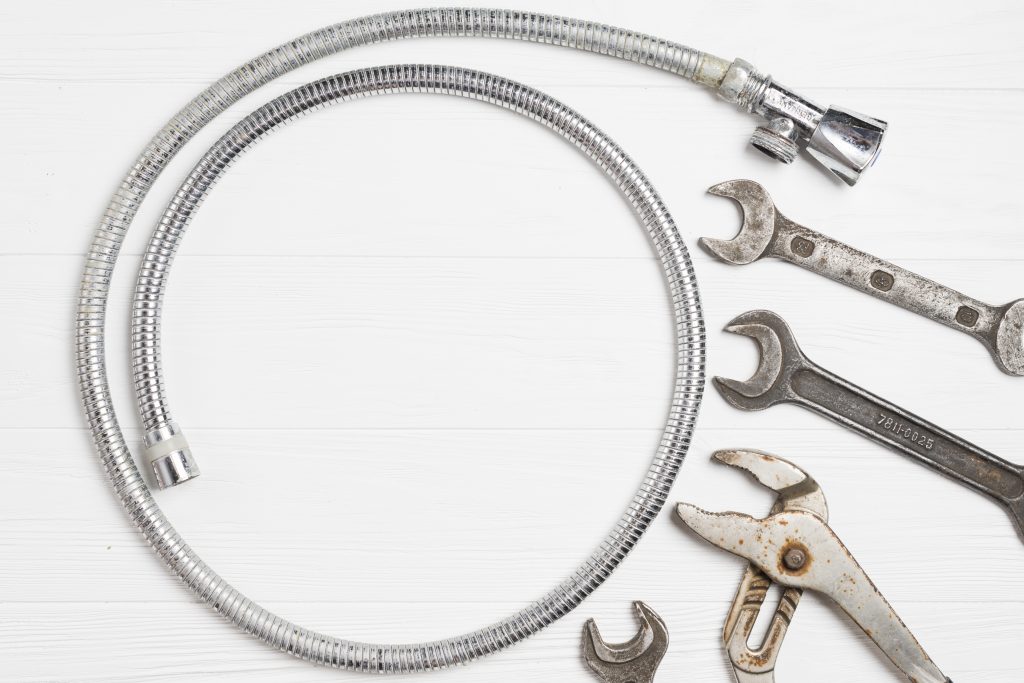
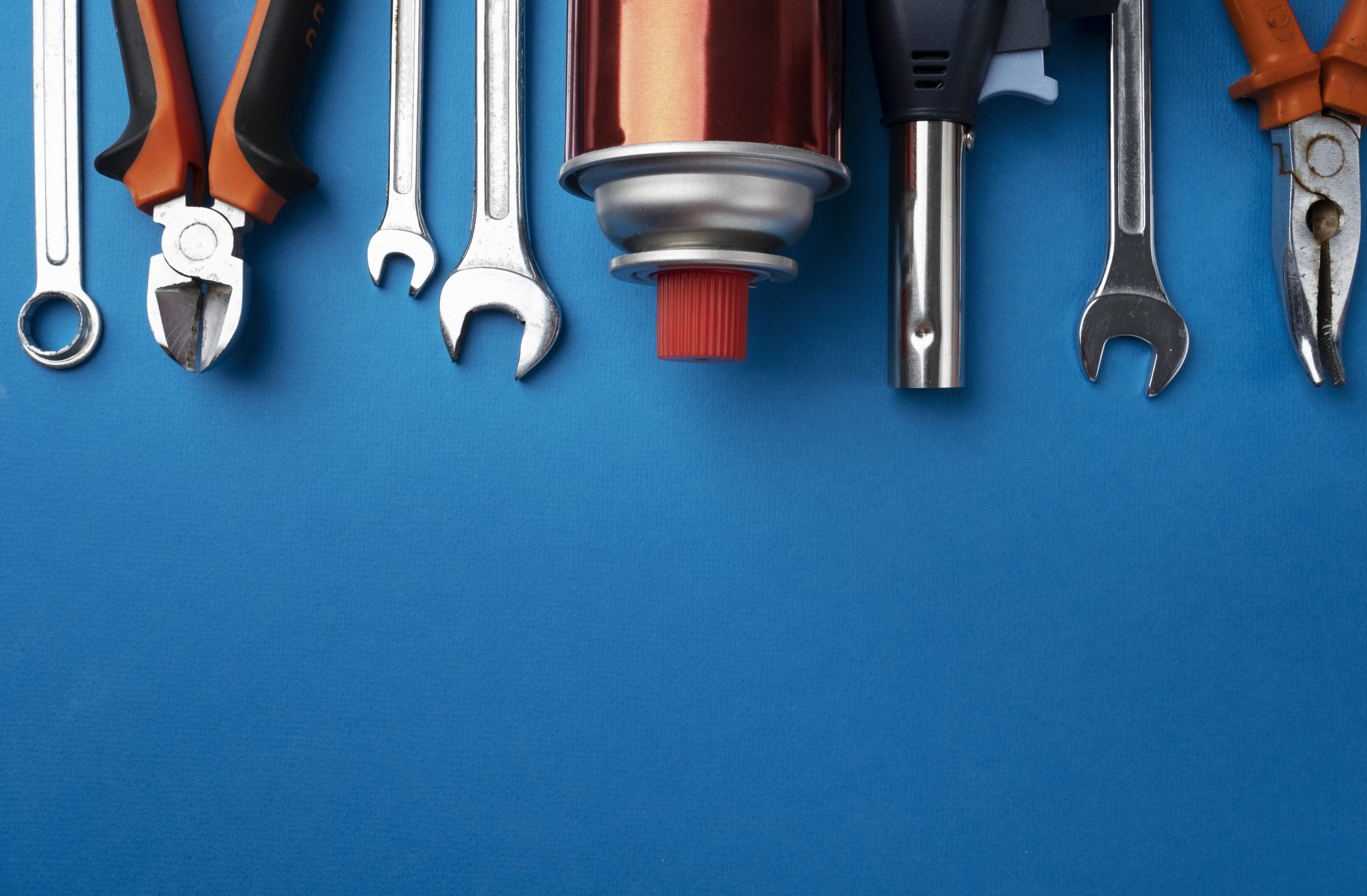
Suggested Essential Plumbing Tools List for Homeowners
For clarity, here’s a practical list of essential plumbing tools every homeowner should know about:
Adjustable Wrench – Used for loosening and tightening nuts and bolts of various sizes.
Basin Wrench – Designed to access taps and fittings in tight or hard-to-reach spaces, such as under sinks.
Channel-Lock Pliers – Ideal for gripping irregular shapes and holding pipes securely.
Pipe Cutter – Provides clean and accurate cuts on copper, PVC, or PEX pipes.
Hacksaw – Used for cutting pipes when a pipe cutter is not available.
Deburring Tool – Smooths sharp pipe edges after cutting to ensure proper fittings and prevent leaks.
PTFE Tape – Seals threaded pipe joints to prevent leaks.
Plunger – Clears minor blockages in sinks, toilets, and drains.
Drain Snake / Auger – Removes deeper or stubborn clogs inside drain pipes.
Tape Measure – Ensures accurate measurement of pipes and fittings before cutting or installation.
Spirit Level – Helps ensure pipes are installed straight and level.
Water Pressure Gauge – Tests and monitors mains water pressure.
Crimp Tool for Plumbing – Creates secure connections for PEX or copper pipe systems.
Plumbing Press Tool – Forms reliable, leak-proof press-fit pipe joints.
Tips for Choosing the Best Plumbing Tools
Selecting the right tools involves more than buying the first set you see. Consider:
- Durability: High-quality steel tools last longer and resist wear.
- Compatibility: Ensure tools match the type of piping used in your home (copper, PVC, PEX).
- Ergonomics: Comfortable handles reduce fatigue during extended use.
- Multi-functionality: Some tools, like adjustable wrenches or multi-purpose pliers, offer greater versatility.
- Professional-grade options: Tools like plumbing crimping tools or plumbing press tools are worth investing in for long-term reliability.
Investing in quality tools not only ensures safety but also improves efficiency and reduces the risk of accidental damage during DIY projects.
Maintaining Your Plumbing Tools
Proper maintenance extends the life of your tools and ensures they function correctly when needed:
- Clean tools after use to prevent corrosion.
- Lubricate moving parts on wrenches and pliers.
- Store in a dry toolbox to avoid rust.
- Inspect regularly for wear, especially cutting edges on pipe cutters or jaws on crimp tools.
Regular care makes your plumbing toolkit a reliable resource whenever minor repairs or maintenance are needed.
Why Every Homeowner Should Invest in Plumbing Tools
Even if you rarely do DIY plumbing, having a well-equipped toolbox provides peace of mind. Small issues like leaks, loose fittings, or blockages can be addressed promptly, saving water, preventing damage, and reducing costs.
Moreover, understanding and using basic plumbing tools makes communicating with professional plumbers more effective. When a service such as EPG247 visits your home, knowing the tools and terminology helps you understand the problem and evaluate solutions.
Conclusion
A home plumbing toolkit is an essential investment for every homeowner. From wrenches and pliers to modern tools like crimping and press tools, having the right equipment allows you to handle minor repairs, maintain systems, and prevent costly emergencies.
While not every job should be tackled alone, a well-prepared homeowner can address leaks, blockages, and maintenance tasks efficiently. Selecting durable, compatible, and professional-grade tools ensures safety and longevity, making your home plumbing system easier to manage in 2026 and beyond.
By equipping your home with essential plumbing tools, you gain confidence, independence, and the ability to act quickly when issues arise — saving both time and money in the long run.
FAQs About Plumbing Tools
What are the essential plumbing tools for a beginner homeowner?
For beginners, start with adjustable wrenches, basin wrenches, pliers, pipe cutters, PTFE tape, a plunger, and a tape measure. These cover most minor repairs and maintenance tasks.
Do I need a crimp tool or press tool for home plumbing?
If your home uses PEX or press-fit copper systems, a crimp tool for plumbing or plumbing press tool is highly recommended. These tools create strong, leak-proof joints safely and efficiently.
Can I perform all plumbing tasks myself with these tools?
While basic repairs and maintenance are manageable, more complex tasks such as unvented cylinder installation, major pipework, or gas-related plumbing require a qualified professional.
How should I store my plumbing tools?
Keep tools in a dry, organised toolbox or cabinet. Ensure cutting edges are protected and moving parts are lubricated. Regular inspection helps prevent damage and rust.
What is the difference between a crimp tool and a press tool?
A crimp tool compresses a ring over PEX or copper fittings to create a seal, while a press tool mechanically presses fittings together for a leak-proof joint. Both are modern alternatives to soldering and are safer for DIY use.
How often should plumbing tools be checked or maintained?
Ideally, after every use. Cleaning, lubrication, and inspection help prevent rust, damage, and wear. Annual checks are recommended for tools used frequently.
Are professional-grade tools worth the investment for homeowners?
Yes. While more expensive, professional-grade tools last longer, work more reliably, and reduce the risk of mistakes during repairs. Tools like plumbing crimping tools or press tools can save time and prevent leaks.