Most people don’t think about their plumbing until something goes wrong. A slow drain, unpleasant odour, or a sudden sewage issue can quickly become stressful and costly. In many rural and suburban properties, wastewater is managed by private septic systems rather than central sewers. Regular septic sewer maintenance is essential for protecting both the property and the people living there.
Homeowners, landlords, property managers, and business owners all benefit from understanding how septic systems work. While plumbing setups may differ slightly by region, the basic principles of maintenance are the same everywhere.
Understanding Septic and Sewer Systems
Before focusing on upkeep, it helps to understand how these systems operate.
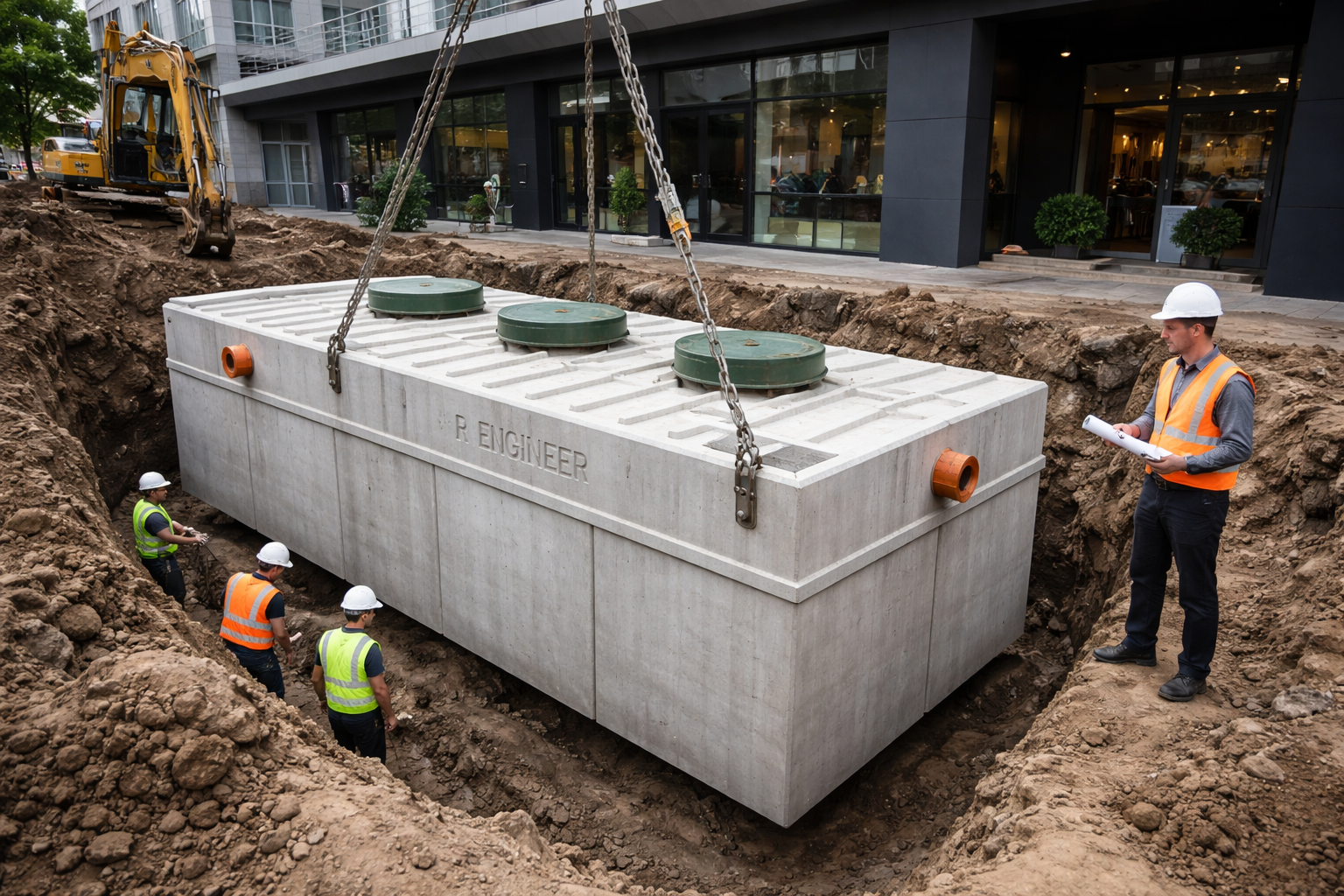
A sewer system connects a building to a public network that transports wastewater to treatment facilities. A septic system works differently. It is a private, self-contained wastewater treatment solution installed underground on a property.
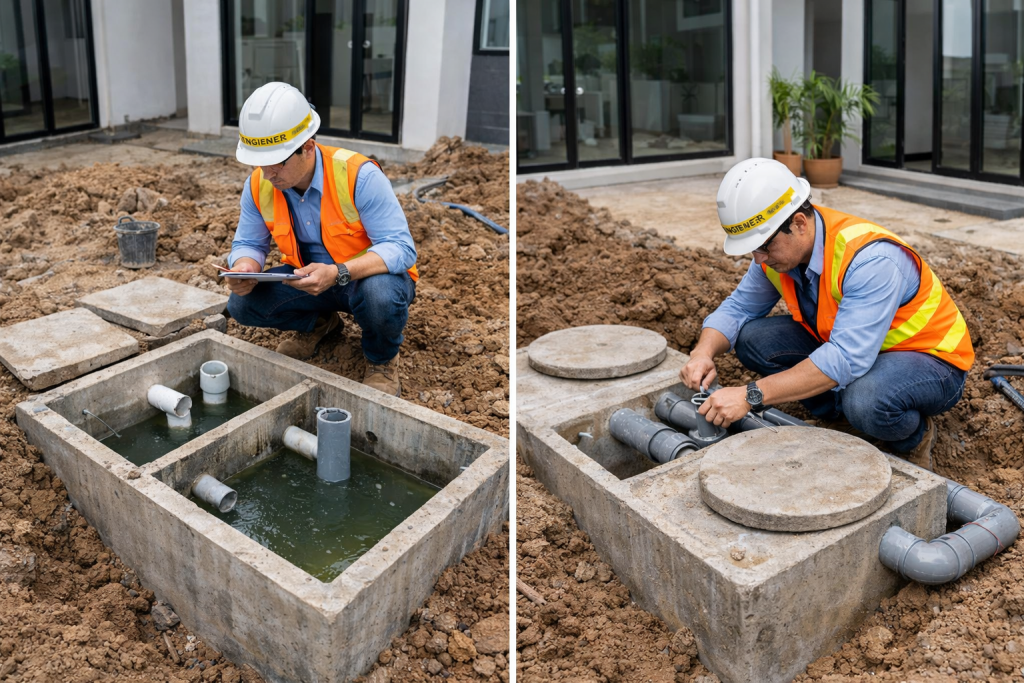
A typical septic system includes:
- A septic tank
- A drain field (often called a soakaway)
- Natural soil that filters treated water
Wastewater from toilets, sinks, showers, and appliances flows into the tank. Solid materials settle at the bottom, lighter substances float to the surface, and partially treated liquid moves into the drain field. The surrounding soil then completes the filtration process.
Although sewer and septic systems function differently, both are designed to safely manage wastewater. Regular care is essential for each to continue working properly.
Why Septic Sewer Maintenance Is So Important
Plumbing problems rarely appear overnight. Minor issues often provide early warnings that are easy to miss. When these signs are ignored, they can develop into serious failures.
Consistent maintenance helps to:
- Reduce the risk of blockages and backups
- Avoid expensive emergency repairs
- Protect nearby soil and water sources
- Extend system lifespan
- Maintain hygiene and safety
When wastewater systems fail, untreated sewage may leak into the ground or nearby water supplies. This creates health risks and environmental damage. Proper maintenance is not just practical—it is responsible property care.
Common Issues Caused by Poor Maintenance
Neglected septic or sewer systems often develop predictable problems.
Blocked Pipes
Grease, food particles, wipes, and other unsuitable materials gradually build up inside pipes, restricting flow.
Tank Overflow
Without regular pumping, solid waste accumulates until the tank becomes overloaded or blocks the outlet.
Drain Field Failure
When excess waste reaches the drain field, soil saturation prevents proper filtration, causing wastewater to surface.
Persistent Odours
Unpleasant smells inside or outside a property often indicate trapped waste or escaping gases.
Health Hazards
Sewage contains harmful bacteria. System failures increase the risk of exposure to illness-causing organisms.
How Often Septic Systems Need Attention
Maintenance frequency depends on several factors:
- Tank size
- Number of occupants
- Water usage habits
- Type of waste entering the system
Most septic tanks should be inspected every one to three years. Pumping schedules vary, but ignoring inspections is one of the most common reasons systems fail earlier than expected.
Everyday Habits That Help Protect the System
Small daily choices have a big impact on system health.
Only appropriate waste should be flushed. Toilets are designed for human waste and toilet paper only. Items such as wipes, cotton buds, and sanitary products belong in the bin.
Grease should never be poured into sinks. Oils solidify inside pipes and tanks, creating stubborn blockages over time.
Water usage should be spread out. Repair leaks promptly and avoid running multiple water-heavy appliances at the same time.
Chemical use should be limited. Strong cleaning agents can destroy beneficial bacteria needed for waste breakdown inside the tank.
Warning Signs That Need Professional Attention
Early detection prevents major disruption. Watch for:
- Slow-draining sinks or showers
- Gurgling sounds from pipework
- Sewage smells indoors or outside
- Wet patches or muddy areas in the garden
- Toilet backups
These symptoms suggest the system is under stress and requires inspection.
Professional Maintenance Versus DIY Care
While responsible usage helps, septic sewer maintenance also requires professional expertise.
Qualified plumbers use specialised equipment to:
- Inspect tanks and pipework
- Measure sludge and scum levels
- Remove accumulated waste
- Assess drain field performance
Attempting these tasks without proper tools can be unsafe and ineffective. Experienced service providers, such as EPG247, help property owners identify problems early and prevent long-term damage.
Environmental Impact of Poor Septic Care
System failures allow untreated wastewater to enter surrounding land and water sources. This can harm wildlife, contaminate drinking supplies, and damage local ecosystems.
Maintaining a healthy system protects both your property and the environment.
Common Septic System Problems and Causes
Here are some common septic system problems, what usually causes them, and the possible effects on your property if left unchecked:
Slow drainage
- Likely Cause: Pipe or tank blockage
- Possible Outcome: Wastewater backup
Persistent smells
- Likely Cause: Trapped waste or gas
- Possible Outcome: Poor indoor air quality
Wet garden areas
- Likely Cause: Drain field failure
- Possible Outcome: Soil contamination
Gurgling sounds
- Likely Cause: Venting or blockage problem
- Possible Outcome: Pressure imbalance
Sewage backup
- Likely Cause: Full or blocked tank
- Possible Outcome: Property damage
The Cost of Maintenance Compared to Neglect
Routine inspections and pumping are relatively affordable. In contrast, neglected systems may require:
- Pipe replacement
- Tank replacement
- Soil remediation
- Structural repairs
Preventive care costs significantly less and avoids disruption.
How Climate Influences Septic Systems
Environmental conditions affect maintenance needs.
Cold regions face freezing risks, which insulation and proper drainage can reduce. Wet climates may saturate drain fields, limiting filtration. Hot environments increase bacterial activity, which speeds breakdown but may raise gas production.
Understanding local conditions helps tailor maintenance schedules.
Expected Lifespan of a Septic System
With consistent care, septic systems often last between 25 and 40 years. Poor maintenance can reduce that lifespan to less than a decade.
Regular servicing and early repairs make a substantial difference.
The Role of Professional Plumbers
Trained plumbers understand wastewater systems in detail. Using inspection cameras and diagnostic tools, they can identify hidden issues before damage becomes severe.
Professional providers such as EPG247 support long-term system health through scheduled inspections and maintenance planning.
Best Practices for Long-Term Performance
- Arrange routine inspections
- Pump tanks when required
- Use water responsibly
- Avoid flushing unsuitable items
- Keep maintenance records
These steps significantly reduce failure risk.
Conclusion
Septic sewer maintenance is not just about avoiding emergencies. It is about protecting property value, ensuring hygiene, and preventing unnecessary expenses. A well-maintained wastewater system operates quietly in the background, providing reliability and peace of mind.
When systems are cared for properly—and checked by experienced professionals when needed, major problems become far less likely. Thoughtful maintenance today helps avoid serious disruption tomorrow.
Frequently Asked Questions
What is septic sewer maintenance?
It refers to the regular care, inspection, and cleaning of septic tanks and sewer pipes to keep wastewater systems working properly.
How often should a septic tank be emptied?
Most tanks need pumping every one to three years, depending on usage and size.
Can I use chemical drain cleaners with a septic system?
Strong chemicals should be avoided as they can kill beneficial bacteria that break down waste.
What happens if a septic system is not maintained?
It can lead to blockages, sewage backups, environmental contamination, and costly repairs.
Are septic systems safe for the environment?
Yes, when properly maintained, they safely treat wastewater and protect soil and water.
Do sewer systems also need maintenance?
Yes, even public sewer connections rely on clean pipes and proper flow to prevent backups and blockages.