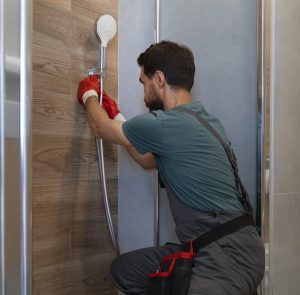
If you’ve ever stood in the shower and suddenly felt the water pressure drop the moment someone turns on a tap downstairs, you’ll know how frustrating a weak system can be. It’s one of those things you don’t think about much—until it starts annoying you daily.
That’s usually when people start looking into alternatives. And quite often, unvented hot water systems come up.
Before we dive in, it’s worth noting that EPG247 helps homeowners across the UK explore options that actually work—so you’re not just taking a guess.
They’re often described as “more powerful”, “modern”, or just “better”. But is that actually true in every case? Well, not exactly. Like most things in a home, it depends. And if you’re considering making the switch, it’s worth understanding what you’re getting into—properly, not just the sales version.
Let’s break it down in a way that actually makes sense.
So, What Is an Unvented Hot Water System?
At its core, an unvented hot water system is pretty simple.
Instead of relying on a cold water tank (usually sitting in the loft), it connects directly to the mains water supply. The water is stored and heated in a sealed cylinder, and when you turn on a tap, it’s delivered at mains pressure.
That’s the key difference. No gravity. No waiting for pressure to build. Just direct supply. And yes, that usually means stronger flow—especially noticeable in showers.
How It Works (Without Overcomplicating It)
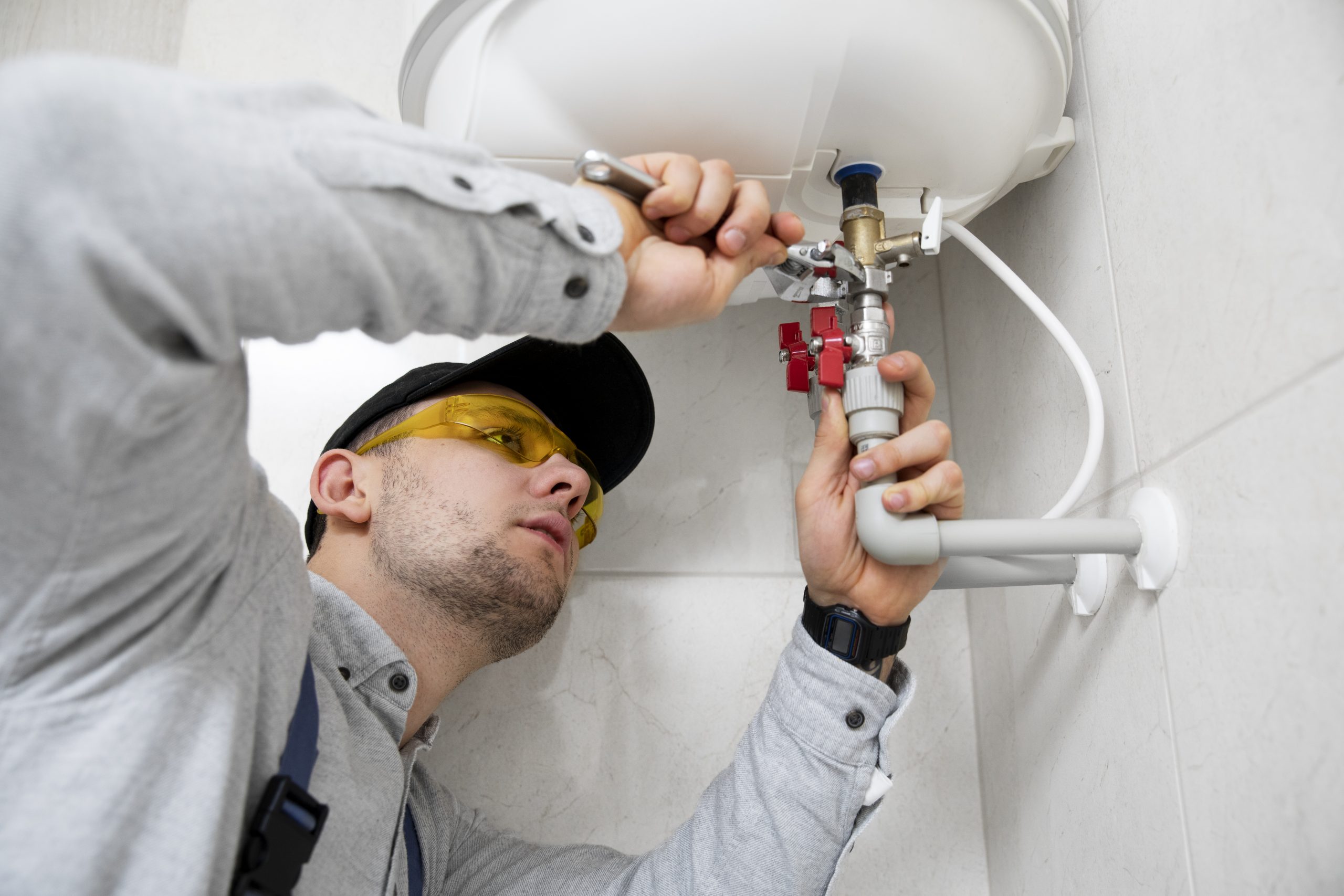
You don’t need to be technical to understand this. Cold water comes straight from the mains into the cylinder. It gets heated—either by your boiler or an electric immersion heater—and stored until needed.
Now, because water expands when heated, the system includes safety components like expansion vessels and pressure relief valves. These keep everything stable and safe. When you open a tap, the hot water is pushed out under pressure. That’s it. Simple in theory, but quite a bit more advanced than older systems.
Why People Are Switching to Unvented Systems
To be honest, most people don’t upgrade their hot water system for fun. It usually starts with a problem:
- weak shower pressure
- inconsistent temperature
- running out of hot water too quickly
- or just an outdated setup
And when they start researching, unvented systems look like a solid upgrade. But let’s not jump ahead. First, the good stuff.
An engineer from EPG247 can assess your home and suggest whether an unvented system is the right solution.
The Advantages (What People Actually Love)
Stronger Water Pressure – And You’ll Notice It
This is the big one. If your current system struggles, the difference with an unvented setup can feel quite dramatic. Showers are more powerful, taps flow properly, and you don’t get that annoying drop when someone else uses water. It’s not magic—it’s just mains pressure being used properly.
Multiple Taps, Less Drama
In many homes, using two bathrooms at the same time turns into a bit of a compromise. With an unvented system, things are a lot more stable. You can:
- run a shower upstairs
- use the kitchen tap
- and still not feel a huge drop in performance
It’s not perfect in every scenario, but it’s noticeably better.
No Loft Tank (Which Is Actually a Big Deal)
Loft tanks are one of those things people forget about… until there’s a problem. Removing it means:
- less risk of leaks
- no stored water sitting around
- more usable loft space
And honestly, fewer components usually means fewer headaches.
Cleaner Water Supply
Because water comes directly from the mains, it’s generally cleaner than water stored in a tank. It’s a small detail, but it does matter—especially over time.
Faster Everyday Use
Filling a bath, rinsing dishes, washing hands—it all just feels quicker. You don’t stand there waiting as much. And while that might not sound like a big deal, over time, it makes a difference.
The Downsides (And These Do Matter)
Now, this is where things get a bit more realistic. Unvented systems aren’t perfect. And depending on your situation, some of these might be deal-breakers.
Higher Upfront Cost
Let’s not sugar-coat it. These systems cost more. Between the cylinder, installation, and safety components, you’re looking at a higher initial investment compared to traditional setups. And in some cases, quite a bit higher.
You Can’t Skip Maintenance
This isn’t a “fit and forget” system. Regular servicing is essential—not just for performance, but for safety. Because the system operates under pressure, everything needs to be checked periodically. Skipping this isn’t a good idea.
Your Mains Pressure Needs to Be Good
Here’s something people often misunderstand.
Unvented systems don’t create pressure.
They rely on what’s already coming into your home.
So if your mains pressure is poor, the system won’t perform the way you expect.
In some cases, upgrades might be needed before installation.
No Backup Water
With a traditional system, you at least have stored water if the mains supply is interrupted.
With an unvented system?
No mains supply = no water.
It’s rare, but worth knowing.
Installation Is Not DIY-Friendly
This isn’t something you can just “figure out”.
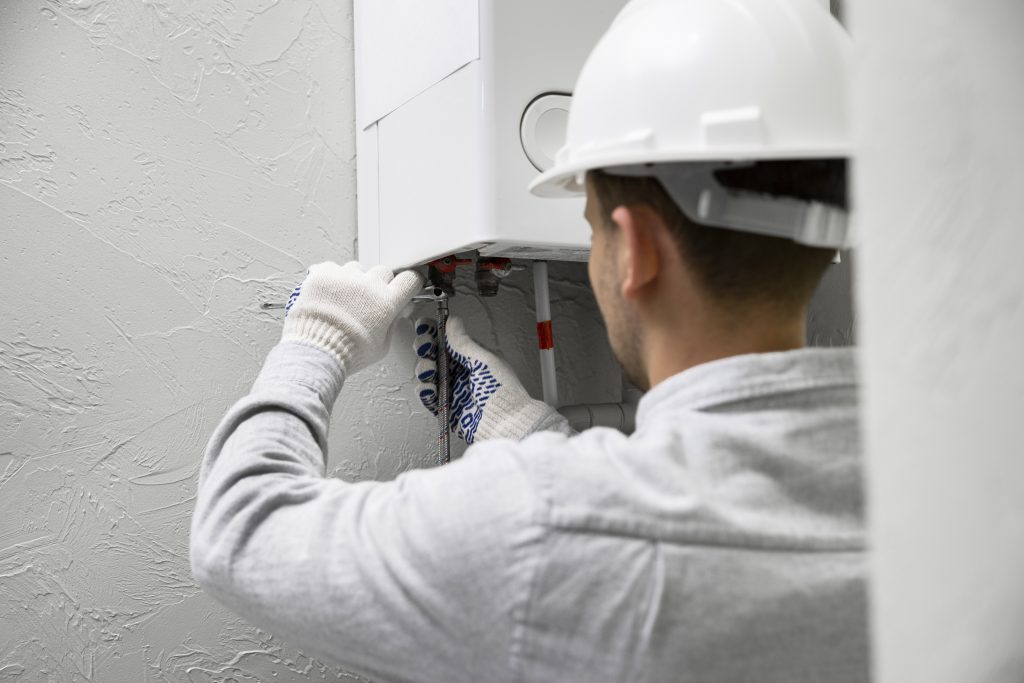
It must be installed by a qualified professional.
There are safety regulations for a reason—and they’re taken seriously.
Let’s Talk About Pressure (Because This Is What Most People Care About)
When people hear “high pressure”, they assume the system somehow boosts it. It doesn’t. What it does is deliver your existing mains pressure more efficiently and consistently. So if your incoming supply is strong, the result is great. If not, you might not see much improvement. It’s as simple as that.
Cost: What Are You Really Looking At?
Prices vary, but here’s a rough idea:
- Cylinder: £700 – £1,500+
- Installation: £1,000 – £2,000+
- Extras (if needed): depends
So overall, you’re probably looking at somewhere between £1,800 and £3,500+. Not cheap—but not unreasonable either, depending on what you’re upgrading from.
When It Makes Sense (And When It Doesn’t)
It’s a good fit if:
- you want better shower performance
- your home has multiple bathrooms
- your current system feels outdated
- your mains pressure is already decent
Maybe not ideal if:
- your budget is tight
- your mains pressure is low
- you want something low-maintenance
It’s not about “better” or “worse”—just what suits your home.
A Few Things People Often Overlook
Before installing an unvented system, people sometimes forget to:
- check incoming pressure properly
- consider long-term servicing
- think about cylinder size
- plan installation space
And these small things can turn into bigger issues later.
So… Is It Worth It?
Honestly? For many homes—yes.
The improvement in pressure and overall performance can make everyday use feel noticeably better. But it’s not a one-size-fits-all solution. If your setup isn’t suitable, it won’t magically fix everything. That’s why getting proper advice before installing anything is always a smart move.
Thinking About Upgrading?
If you’re at that stage where you’re weighing up options and not quite sure what’s right for your home, it might be worth speaking to someone who deals with these systems regularly.
At EPG247, we help homeowners figure out what actually works—not just what sounds good on paper. Whether you’re upgrading, replacing, or just exploring your options, getting the right input early on can save time, money, and a lot of hassle.
Still Unsure? That’s Normal
A lot of people don’t decide straight away. And that’s fine.
Hot water systems aren’t something you change often, so it makes sense to take your time and understand it properly.
If you do want a clearer picture of what would work best in your specific setup, having a quick chat with our engineer can make things a lot simpler.
Final Thoughts
Unvented hot water systems offer real benefits. especially when it comes to pressure and performance. But they also come with responsibilities, like proper installation and ongoing maintenance.
If everything lines up—your pressure, your budget, your needs—it can be a very worthwhile upgrade. If not, there may be better options.
Ready to Take the Next Step?
If you’re thinking about improving your hot water system and want something that actually delivers consistent performance day to day, it might be time to explore your options properly.
Get in touch with EPG247 today and see what works best for your home.
Frequently Asked Questions (FAQs)
What is an unvented hot water system?
An unvented hot water system is a sealed system that heats and stores water directly from the mains supply, delivering strong and consistent water pressure without the need for a loft tank.
Are unvented hot water systems better than traditional systems?
It depends on your home. Unvented systems offer better water pressure and performance, but they require good mains pressure and regular maintenance. They’re not always the best choice for every property.
Do I need good mains water pressure for an unvented system?
Yes, this is essential. Unvented systems rely on your existing mains pressure. If your water pressure is low, the system may not perform as expected.
How much does an unvented hot water system cost in the UK?
The total cost usually ranges between £1,800 and £3,500+, depending on the cylinder, installation, and any additional upgrades required.
Can I install an unvented hot water system myself?
No. Installation must be carried out by a qualified and certified professional due to safety regulations. DIY installation is not recommended.
Do unvented systems run out of hot water?
Yes, like any storage system, once the hot water in the cylinder is used up, you’ll need to wait for it to heat again. Choosing the right cylinder size helps avoid this issue.
Are unvented hot water systems safe?
Yes, when installed and maintained correctly. They include safety features like pressure relief valves and expansion vessels to ensure safe operation.
What are the main disadvantages of an unvented system?
Some key drawbacks include:
- Higher upfront cost
- Need for regular servicing
- No backup water if mains supply is interrupted
How long do unvented hot water systems last?
On average, they last around 10–20 years, depending on maintenance and usage.
Is an unvented hot water system worth it?
For many homeowners, yes—especially if you want better water pressure and have multiple bathrooms. However, it depends on your budget and existing water supply.