How to Diagnose the Source of the Noise
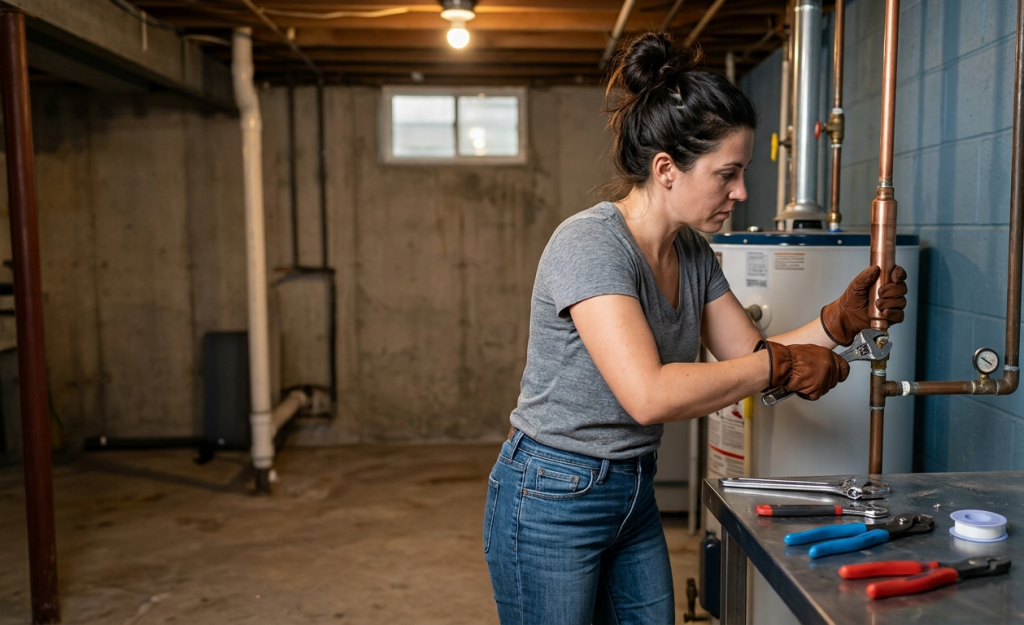
Before you can fix a water hammer, you must identify its source. Tracking down the exact location requires a little bit of detective work. You will need to observe when and where the banging occurs.
Start by testing every water outlet in your home one by one. Turn on a tap, let it run, and shut it off quickly. Listen closely to see if the thumping sound follows immediately after.
If the noise only happens during a laundry cycle, the culprit is clear. Your washing machine’s internal valve is causing the pressure spike. This is a very common issue with modern appliances.
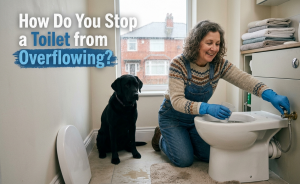
If the sound happens when a toilet finishes flushing, check the cistern. The ball valve inside older toilets can bounce as it closes. This rapid bouncing triggers a succession of fast, loud mini-hammers.
Sometimes, the noise occurs when a neighbor uses their water supply. This indicates that your main service pipe shares a connection with theirs. In such cases, the vibrations easily travel between the semi-detached
properties.
Step-by-Step DIY Fixes for Homeowners
Once you find the source, you can try some simple solutions. Many water hammer issues can be resolved without calling an engineer. Here are the most effective DIY methods you can try this weekend.
Method 1: Recharging Your Home’s Air Chambers
The most common solution is to restore your system’s natural air cushions. Over time, the air pockets inside your plumbing can get waterlogged. Recharging them is a straightforward process that resets the whole network.
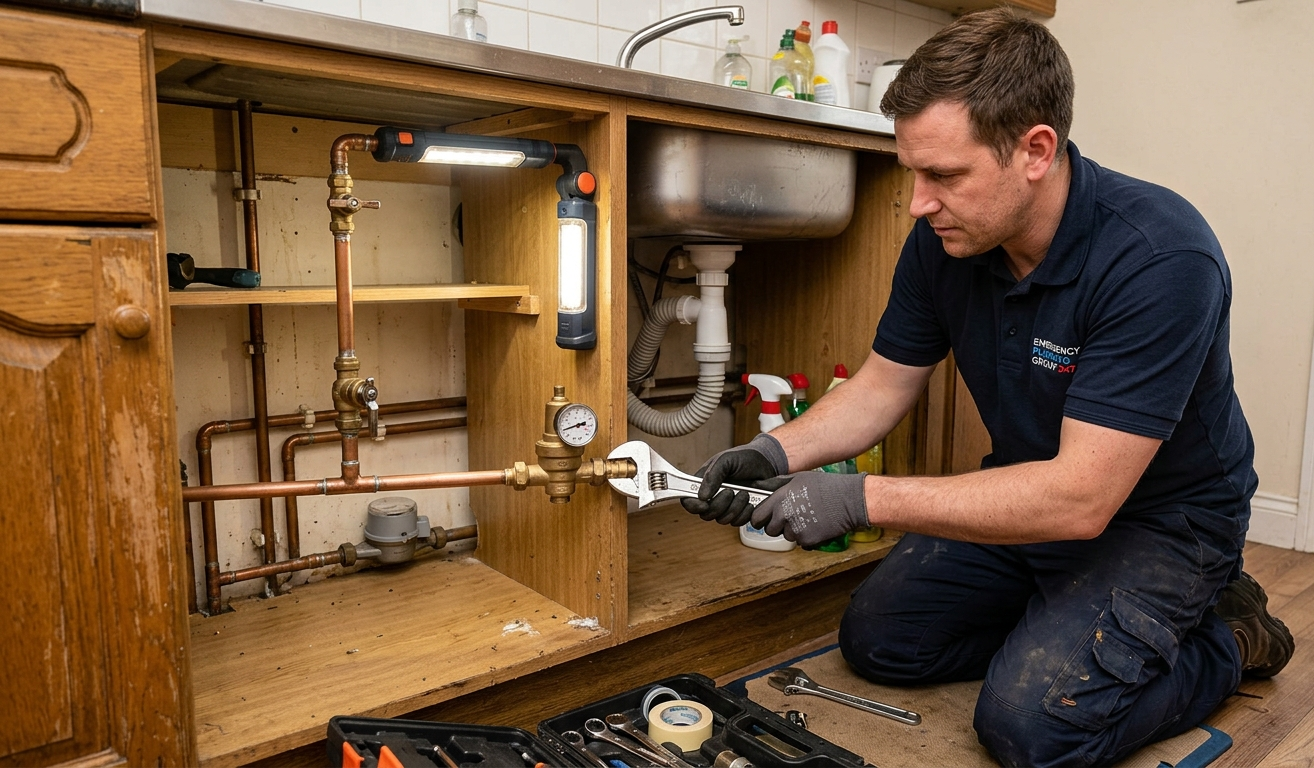
First, locate the main stopcock valve and turn it completely off. This completely stops any fresh water from entering your property’s pipes. You will usually find this valve hidden under the kitchen sink.
Next, go to the highest tap in your house and open it fully. After that, open every single tap on the lower floors too. Do not forget to flush all the toilets to empty their tanks.
Leave all the taps open until every drop of water drains out. This simple action allows fresh air to enter the empty pipework. It naturally recreates the missing air cushions inside your walls.
Finally, turn the main stopcock back on very slowly. Let the water flow through the open taps until it runs smoothly. Turn off each tap one by one, and your system is recharged.
Method 2: Securing Loose Pipework
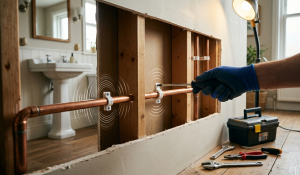
If recharging the air chambers fails, you may have loose pipes. Copper lines expand and contract when water flows through them. If they are not secured, they will rattle against wooden joists.
Examine any visible pipework in your basement, loft, or under stairs. Look for areas where the pipes pass through floorboards or timber frames. Gently wiggle them to see if they feel unstable or loose.
If you find a loose section, install plastic pipe clips. These clips lock the pipe firmly in place against the wooden structure. They prevent any physical movement when a pressure wave passes through.
For tight spaces, you can use foam pipe insulation sleeves. Wrap the soft foam around the copper tube before securing it. The foam acts as a brilliant shock absorber against the wood.
 Still hearing that annoying thuds after trying these DIY steps? Call Emergency Plumbing Group 247 on 0800 294 4365 today to get your system professionally inspected!
Method 3: Adjusting the Main Stopcock Valve
High water pressure is a major catalyst for hydraulic shock waves. If your water travels too fast, the impact will be much louder. You can easily reduce this speed right at the source.
Locate your main water control valve under the kitchen sink again. Turn on a nearby cold water tap so you can monitor the flow. Slowly turn the stopcock handle clockwise to reduce the incoming volume.
Do not close it completely, just restrict the flow slightly. This mechanical adjustment lowers the overall speed of the rushing water. It reduces the sudden impact force when a tap snaps shut.
Check your shower and taps to ensure the pressure is still comfortable. You want a safe balance between a great shower and silent plumbing. This free adjustment solves minor hammer issues instantly for many households.
Advanced Professional Fixes for Water Hammer
If the simple DIY tricks do not stop the noise, you might need to install some mechanical parts. When the water pressure in your street is naturally too high, simple fixes just won’t cut it. That is when a professional touch can help get back your peace of mind.
The best modern tool for this job is a water hammer arrestor. This is a small, stainless-steel device with a tiny rubber cushion inside. It connects directly to your pipes and absorbs the heavy shockwaves immediately.
A plumber usually puts these arrestors right behind the things that cause the quick shutdowns. They work incredibly well behind washing machines, dishwashers, and modern mixer taps. The moment a valve snaps shut, the arrestor takes the hit so your pipes do not have to.
Another brilliant fix is a Pressure Reducing Valve, often called a PRV. If the water coming from the street is blasting into your home too fast, you need this valve. It sits right next to your main indoor stopcock and slows everything down to a safe speed.
Here is what a PRV actually does for your home:
- Slows down the rush: It keeps the incoming water flowing at a steady, safe pace all day long.
- Saves your pipes: It stops those sudden high-pressure spikes before they can shake your walls.
- Protects your appliances: It extends the lifespan of your boiler, showers, and tap joints.
Lastly, you might just have a faulty valve inside your toilet cistern. Older float valves tend to bounce up and down when the tank fills up, creating a fast rattling sound. Swapping it for a modern fluidmaster valve usually kills the noise instantly.
Choosing the Right Professional Assistance
Plumbing setups can be tricky to figure out, especially in older British homes. Spending hours trying to find a loose pipe hidden deep behind your walls is incredibly frustrating. Plus, if you accidentally loosen the wrong joint, you could end up with a major leak.
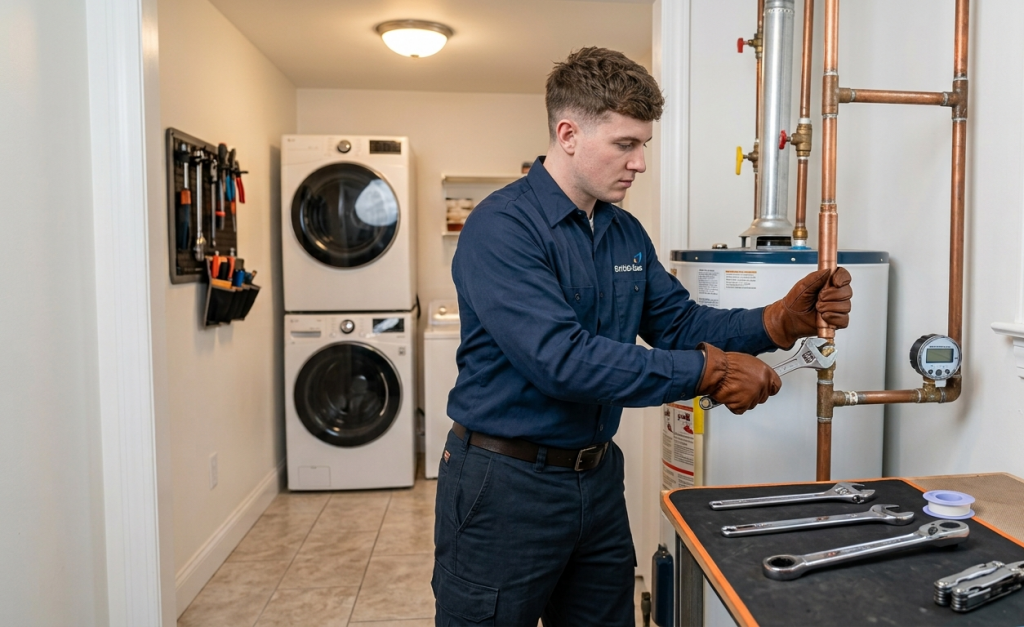
If you are not comfortable cutting into pipes, it is always smarter to get an expert to take a look. A proper plumbing engineer carries special gauges to test your water pressure. They can pinpoint the exact cause of the thumping within minutes.
On top of that, making changes to your main water lines sometimes requires specific legal qualifications. A professional installer makes sure everything follows local water rules. This keeps your home safe and ensures your insurance policy stays valid.
Before you invite a plumbing company into your home, look out for these things:
- Gas Safe ID card: Very important if they are working anywhere near your boiler lines.
- Clear, fixed pricing: You should know exactly what you are paying before they start drilling.
- Local knowledge: Engineers who know the common plumbing quirks of houses in your area.
Do you want a permanent fix for your noisy, rattling pipework? Contact Emergency Plumbing Group 247 on 0800 294 4365 to schedule a comprehensive system diagnostic check today!
Conclusion: Protect Your Home from Hydraulic Shock
At the end of the day, a water hammer is not just an annoying sound you should try to ignore. It is a loud cry for help from your plumbing system because it is under too much stress. Waiting too long to fix it almost always leads to a much bigger repair bill later on.
Taking care of it now means you will not have to deal with a sudden burst pipe in the middle of the night. Whether you try a quick weekend DIY fix or call in a professional, deal with it as soon as you can. A quiet plumbing system is a safe plumbing system.
At Emergency Plumbing Group 247, we know exactly how to silence noisy and misbehaving pipes. Our friendly, qualified engineers are on standby 24 hours a day to help you out. We cover homes all across Hertfordshire, Bedfordshire, and North London.
We do not believe in hidden surprises, which is why we keep our pricing completely open. Our standard call-out fee is just £85 + VAT, and that is all you pay for our arrival. Let our local team take the stress out of your plumbing and bring back the quiet to your home.
Don’t wait for a costly pipe emergency to happen in your home. Call Emergency Plumbing Group 247 right now on 0800 294 4365 or book your expert engineer online today!