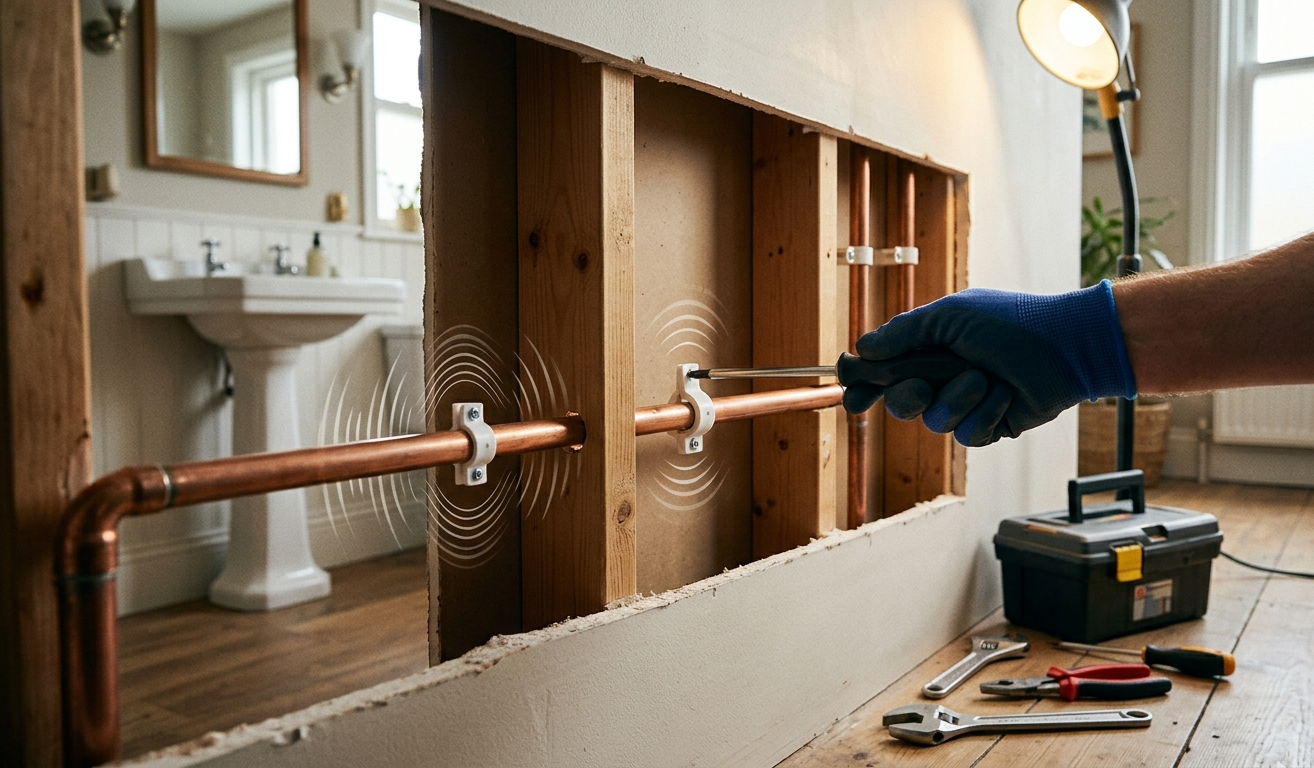
Imagine sitting down for a relaxing evening after a long day at work. You turn on the bathroom tap, and suddenly a loud, rhythmic rattling explodes from behind your drywall.
Dealing with banging pipes is easily one of the most frustrating issues a homeowner can face. It is a noise that ruins your home’s peace and keeps you up at night.
Many people assume this racket is just a harmless quirk of an older British property. They put off fixing it because they think it requires ripping out entire walls.
However, that constant vibration is actually a major warning sign from your plumbing network. Ignoring these heavy impacts can eventually cause hidden water leaks and massive property damage.
 Are those scary thumping noises ruining your peace of mind right now? Call our friendly local team at Emergency Plumbing Group 247 on 0800 294 4365 for fast, fixed-price help!
What Causes Banging Pipes in Home?
To figure out how to stop pipes banging, you first need to know why it happens. In most residential properties, this noise comes down to physical movement inside your walls.
When water flows through a copper tube, it creates a lot of internal pressure. If that pipe is not locked down tight, it will start to swing and shake.
The primary culprits behind this sudden system movement usually include:
- High water pressure: Main street lines forcing water into your home too aggressively.
- Loose pipe clips: Older copper tubes that have broken free from their wall supports.
- Fast-shutting valves: Modern quarter-turn taps that cut off the water flow instantly.
Every time the metal pipes move, they slam directly into the wooden floorboards or plasterboard. That repetitive physical impact is the exact source of the loud banging noise you hear.
Exceptional Insight: Thermal Expansion vs Hydraulic Shock
One exceptional thing most homeowners do not realise is that not all pipe noises are identical. There is a massive structural difference between a pressure spike and temperature changes.
If your pipes make a sudden, violent thud right when you close a tap, you have a pressure issue. This is commonly known as a water hammer, caused by rushing water hitting a closed valve.
However, if you hear a slow, ticking or creaking bang when the central heating turns on, that is thermal expansion. Copper naturally expands when hot water passes through it, changing the physical size of the tube.
This type of heat-related noise is normally characterized by:
- A slow ticking pace: Sounds that slowly speed up and then fade away entirely.
- Friction against joists: The expanding metal rubbing hard against tight wooden floorboards.
- Consistent daily patterns: Rumbling that only triggers when your heating turns on.
As the hot metal grows, it rubs tightly against the wooden joists it passes through. This friction creates a loud, metallic popping sound that many people mistake for a loose pipe.
Why You Should Never Ignore the Racket
It is very tempting to look the other way if the thumping only happens once a day. However, leaving banging pipes completely unresolved is a massive gamble with your property’s safety.
Every single vibration puts immense structural stress on the delicate soldered joints of your system. Over several months, this continuous shaking will inevitably weaken the copper connections.
If left completely unchecked, this continuous shaking can cause serious damage:
- Hidden pinhole leaks: Small drops of water rotting your timbers from the inside out.
- Damaged boiler parts: Vibrations traveling back up the lines into your heating unit.
- Ruined shower valves: Excessive internal pressure cracking delicate plastic components.
Once a connection loosens, you will end up with a hidden pinhole leak under your floorboards. These leaks slowly rot your timber structure long before you ever spot a damp patch.
How to Diagnose Your Banging Pipes (The Sound Check)
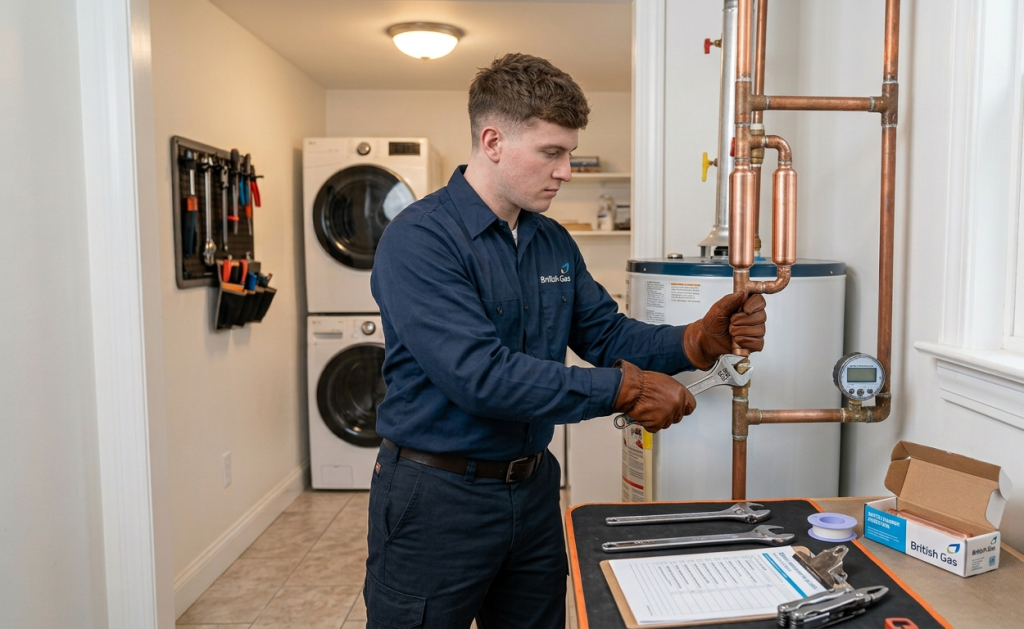
Tracking down the root cause of the noise requires a tiny bit of home detective work. You need to pay close attention to exactly when the sounds start echoing.
Turn on your kitchen mixer tap, let it run for ten seconds, and flip it shut quickly. If you hear an immediate bang, your main incoming water pressure is likely set way too high.
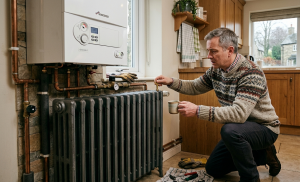
Next, try turning on your hot water system and wait near your central heating radiators. If you hear a slow, rhythmic ticking sound, your copper lines are simply expanding against the woodwork.
Lastly, check if the noise only happens when your modern washing machine completes a cycle. Modern appliances use automated valves that snap shut instantly, sending massive shockwaves through your lines.
To make things easier, you can follow this quick diagnostic checklist:
- Check the timing: Does the noise happen during or right after water is used?
- Locate the sound: Is the thumping coming from the walls, floorboards, or near the boiler?
- Identify the appliance: Does a specific appliance, like the dishwasher, trigger the racket?
Step-by-Step Guide: How to Stop Pipes Banging (DIY Methods)
Once you have identified the type of sound, you can try some simple solutions at home. Many pipe noises can be silenced without spending a fortune on tools.
Here are the most effective DIY steps you can take to bring back the quiet to your home.
Method 1: Recharging Your Home’s Air Chambers
The most common solution for sudden pressure thuds is restoring your system’s natural air cushions. Over time, the air pockets designed to absorb shockwaves can get completely filled with water.
Recharging these empty pockets is a straightforward process that resets your entire plumbing network.
You can easily do this by following these simple steps:
- Turn off the mains: Locate your main indoor stopcock, usually under the kitchen sink, and shut it completely.
- Open all the taps: Go to the highest tap in your house and open it, then do the same for all lower taps.
- Flush every toilet: Empty all the cisterns to ensure there is no trapped water left in the lines.
- Let the system drain: Leave the taps open until the water stops flowing and fresh air fills the empty pipes.
- Restore the supply: Turn your main stopcock back on very slowly and let the water run smoothly before closing the taps.
This basic process recreates the essential air cushions inside your walls, allowing them to absorb pressure spikes once again.
Method 2: Securing Loose Copper Pipework
If your pipes are banging because they are physically loose, you need to anchor them securely. When copper lines expand or carry high-velocity water, they will rattle if they are not clipped down.
Examine any visible pipework in your loft, cellar, or inside your airing cupboard. Look for areas where the metal tubes pass through wooden joists or plasterboard frames.
To secure these loose lines safely, try these quick structural fixes:
- Install plastic pipe clips: Lock the loose copper tubes firmly against the wooden structural beams.
- Use rubber wrap insulation: Wrap soft rubber padding around the pipe before clipping it to dampen vibrations.
- Insert foam sleeves: Slide soft foam insulation over long runs of pipe to prevent them from hitting woodwork.
Securing these loose points prevents the metal from physically striking your home’s structure when water flows through.
Still hearing those annoying thuds after trying these DIY steps? Call Emergency Plumbing Group 247 on 0800 294 4365 today to get your system professionally inspected
Method 3: Adjusting Your Main Water Speed
High water pressure is the primary catalyst for severe hydraulic shockwaves inside modern properties. If the water coming from the street is moving too fast, the impact force will be much louder.
You can easily reduce this speed right at the source without any special plumbing experience.
Locate your main water control valve under your kitchen sink and turn on a cold tap nearby. Slowly turn the stopcock handle clockwise to gently restrict the amount of incoming water.
Do not close the valve completely, just reduce the overall flow until the water pressure feels a bit softer. Check your showers and kitchen taps to make sure you still have a comfortable stream for daily use.
This simple adjustment lowers the velocity of the rushing water, significantly reducing the impact force when a tap closes.
Professional Plumbing Fixes (When DIY Fails)
Sometimes, basic home adjustments are simply not enough to silence your plumbing. If your local mains water pressure is naturally aggressive, you will need mechanical solutions.
This is when investing in heavy-duty plumbing components makes a massive difference for your property. A qualified engineer can install specialist parts that protect your home around the clock.
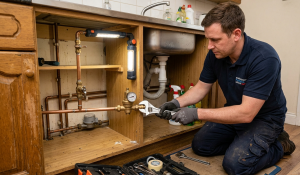
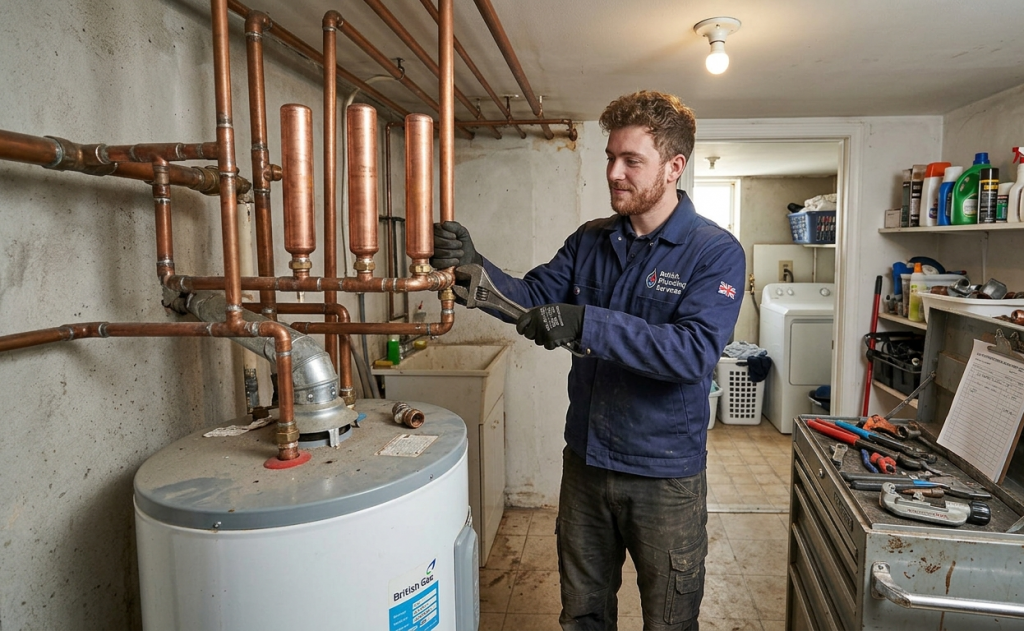
The most popular modern solution is fitting a compact water hammer arrestor. This is a small, stainless-steel cylinder that houses a tightly sealed rubber cushion.
It connects directly to your copper pipes right next to problematic appliances. The device acts as a permanent shock absorber, catching the high-pressure wave instantly.
Plumbers typically install these handy arrestors behind these specific problem areas:
- Washing machine lines: Preventing automated appliance valves from shaking your floorboards.
- Modern dishwasher feeds: Absorbing sudden pressure spikes during fast cleaning cycles.
- Quarter-turn mixer taps: Protecting kitchen and bathroom pipework from rapid shutdowns.
Another brilliant long-term upgrade is a dedicated Pressure Reducing Valve, often called a PRV. If your incoming street pressure regularly goes over 4.5 bar, a PRV is absolutely essential.
It sits right next to your main indoor stopcock and tames the incoming rush. This ensures your entire home enjoys a safe, consistent flow that will not damage your boiler or taps.
Choosing the Right Professional Assistance
Plumbing layouts can be incredibly complicated, especially in older semi-detached British properties. Trying to find a loose pipe hidden deep inside a finished wall is highly frustrating.
One wrong move with a wrench can easily turn a noisy pipe into an expensive accidental flood. If you are not comfortable cutting into lines, it is always safer to call an expert.
A certified heating and plumbing engineer carries advanced digital tools to test your water pressure. They can accurately pinpoint the exact cause of the rattling within a few minutes.
Furthermore, making changes to main water lines requires specific certifications to stay legal. Professional installers make sure all modifications comply with strict local water authority regulations.
Before you hire a local plumbing team, make sure they offer these standard protections:
- Gas Safe registration: Absolutely vital if they are working anywhere near your boiler system.
- Guaranteed fixed quotes: Ensuring you know the exact price before any work begins.
- Excellent local knowledge: Knowing the specific plumbing quirks common to houses in your town.
Do you want a permanent fix for your noisy, rattling pipework? Contact Emergency Plumbing Group 247 on 0800 294 4365 to schedule a comprehensive system diagnostic check today!
Conclusion: Protect Your Home from Damage
At the end of the day, a banging pipe is not just an annoying sound you should ignore. It is a loud cry for help from your plumbing because it is under too much stress.
Waiting too long to address the vibrations almost always leads to a much bigger repair bill. Taking care of it now means you can sleep peacefully without worrying about a sudden leak.
At Emergency Plumbing Group 247, we know exactly how to tame noisy and misbehaving pipework. Our friendly, qualified engineers are on standby 24 hours a day to assist you.
We cover residential properties all across Hertfordshire, Bedfordshire, and North London. We do not believe in hidden surprises, which is why we keep our pricing completely open.
Our standard call-out fee is just £85 + VAT, and that is all you pay for our arrival. Let our experienced local team take the stress out of your plumbing and bring back the quiet.
Don’t wait for a costly pipe emergency to happen in your home. Call Emergency Plumbing Group 247 right now on 0800 294 4365 or book your expert engineer online today!